

Lhotse 8516m: la cuarta montaña más alta del mundo.
Descripción General:
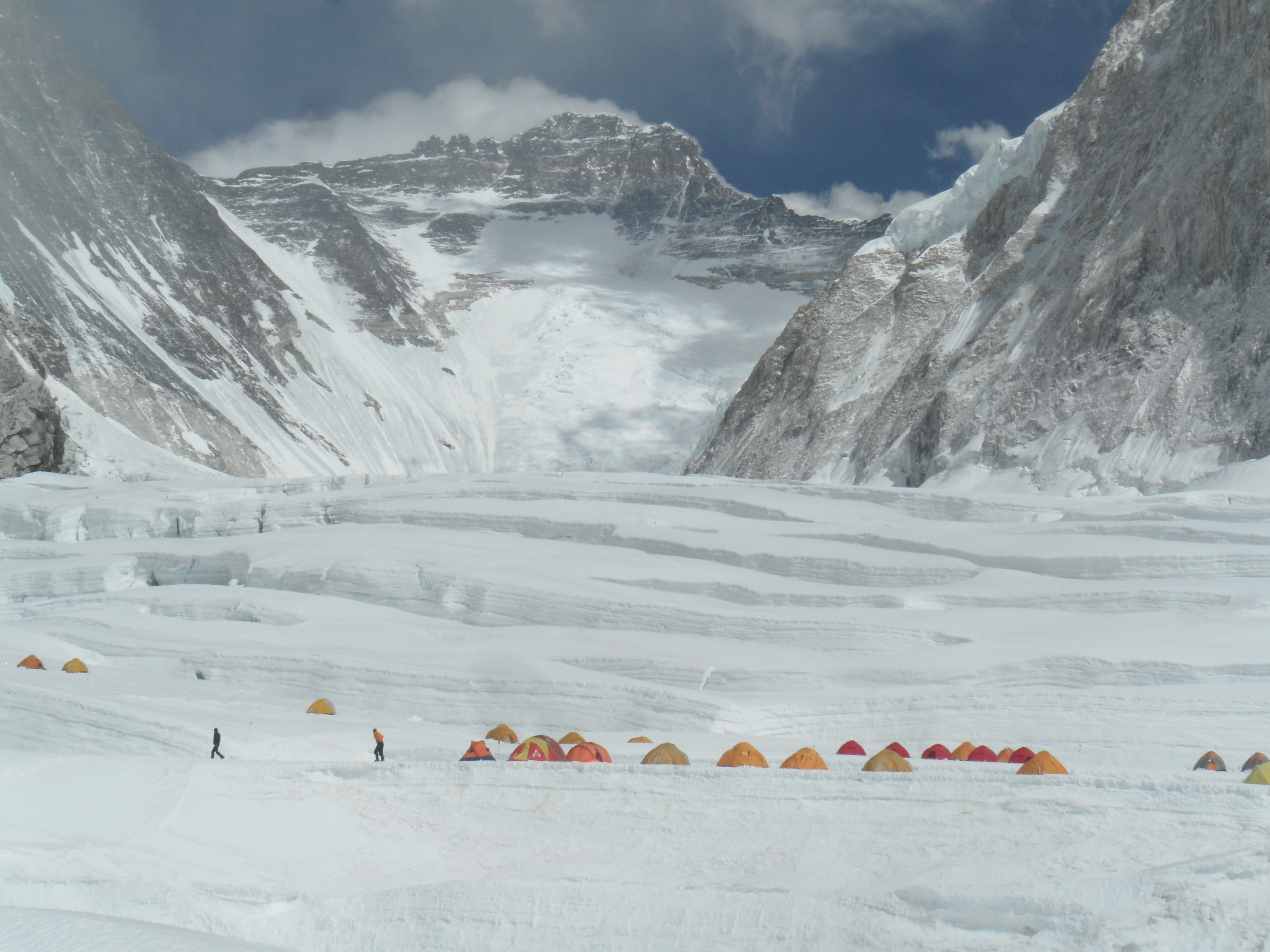
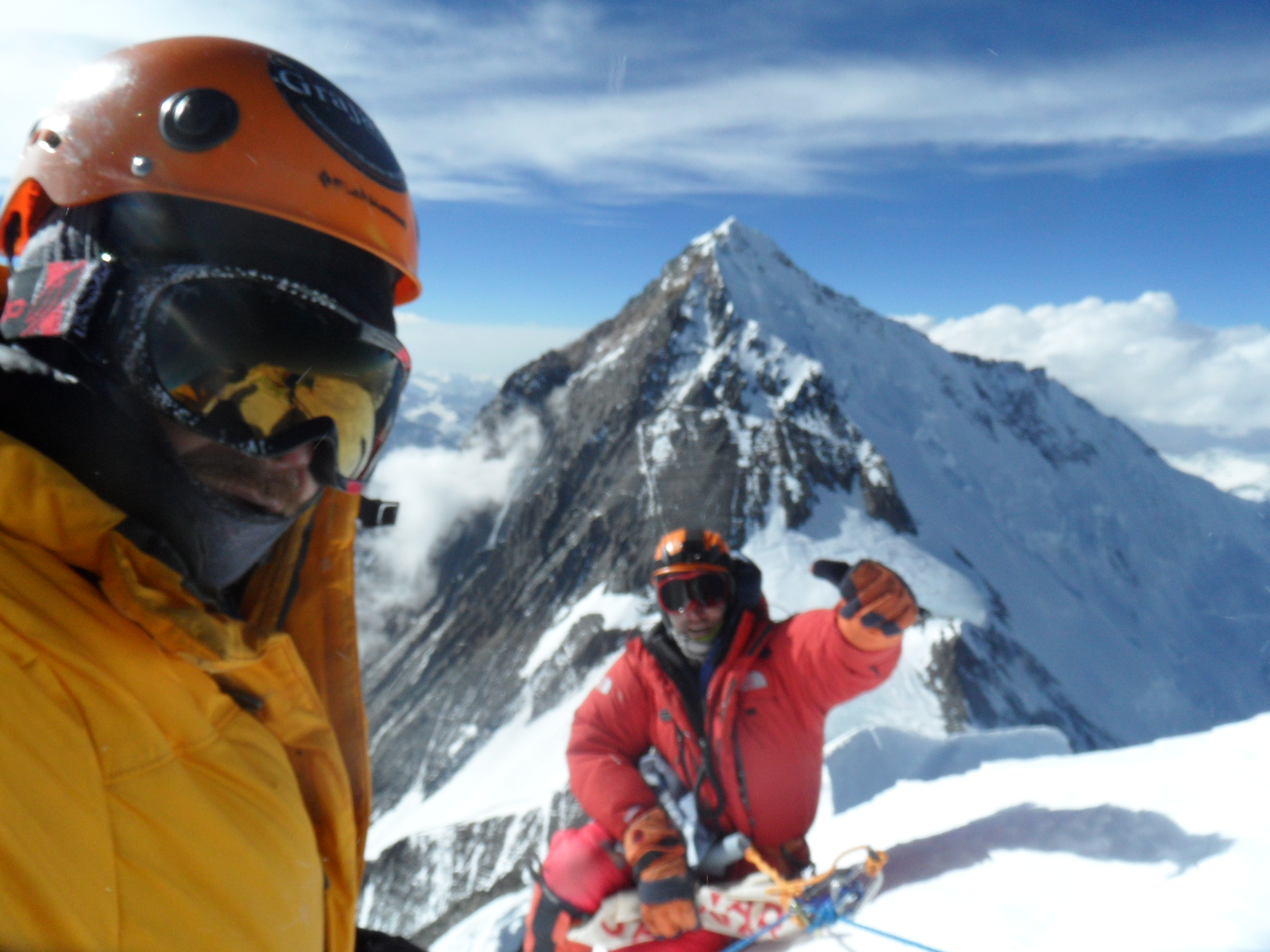
El Lhotse es la cuarta montaña más alta de la Tierra, solo superada por el Everest, el K2 y el Kangchenjunga. Se halla muy cerca del Everest, con el que queda conectado a través del Collado Sur. Lhotse significa literalmente “Pico Sur” en tibetano. Además de la cumbre principal, con una altitud de 8.516 msnm, la montaña cuenta con dos picos subsidiarios, el Lhotse Medio (al este) de 8.414 m y el Lhotse Shar de 8.383 msnm. La montaña se halla situada en la frontera entre la región sur del Tíbet, en China, y la región de Khumbu, al norte de Nepal.rero sobre su sueño, le responderán con una palabra; EVEREST. ¿Quién no querría llegar a la cima del mundo? ¿Quién no querría tocar el cielo? Es el viaje de una vida, su expedición al Everest. El Monte Everest, también conocido como El Sagarmatha en Nepal, es el pico más alto de la tierra con una altitud de 8848m. La cara sur se encuentra en Nepal, mientras que la cara norte está en el Tíbet. En 1715, China inspeccionó la montaña por primera vez mientras cartografiaban territorio chino y la representaban como el Monte Qomolangma. El gobierno británico de la India en 1856 volvió a medir el Monte Everest durante su Gran Encuesta de Trigonometría. En aquel entonces, se llamaba Peak XV y se decía que tenía 8840 m de altura.
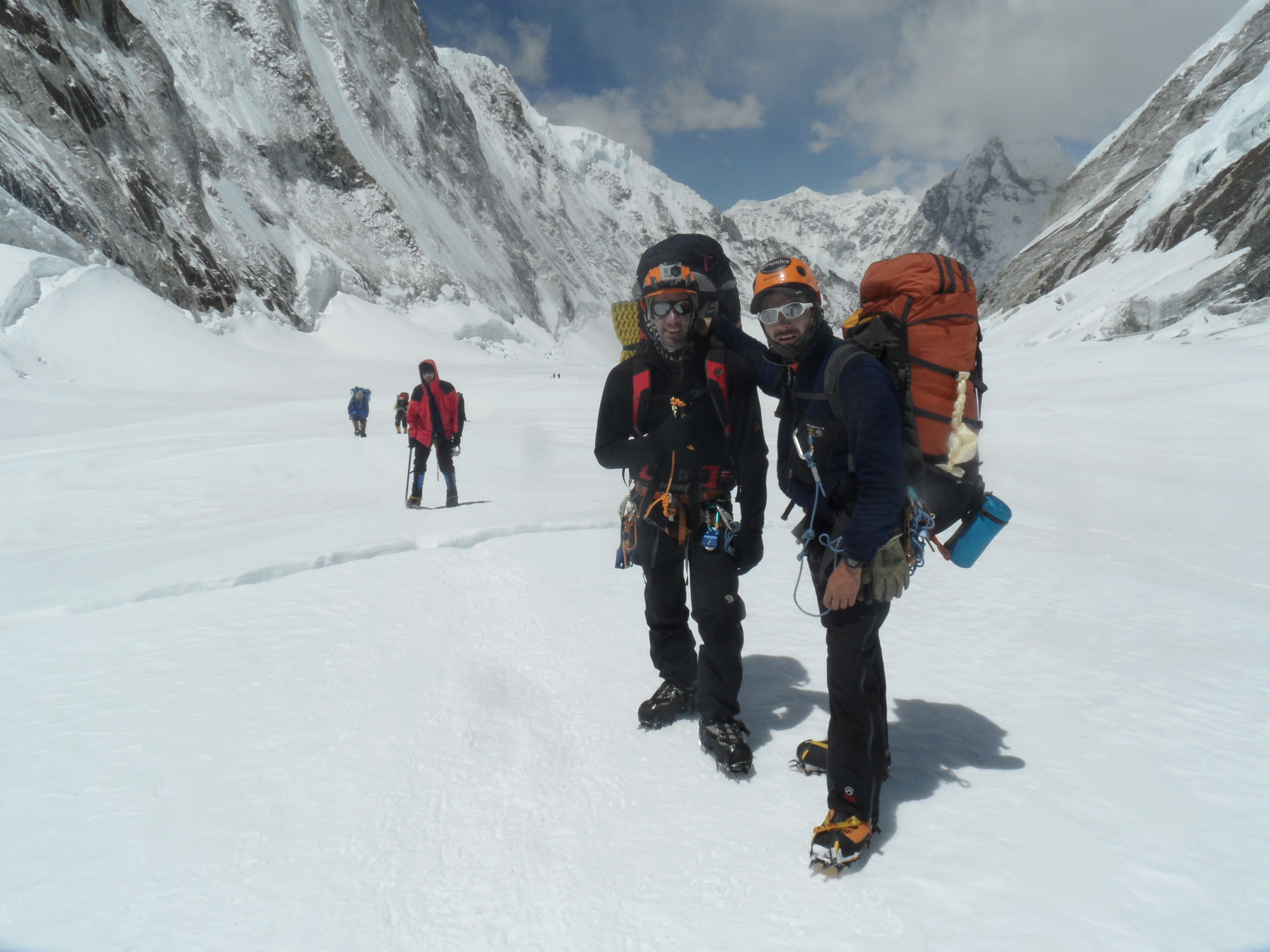
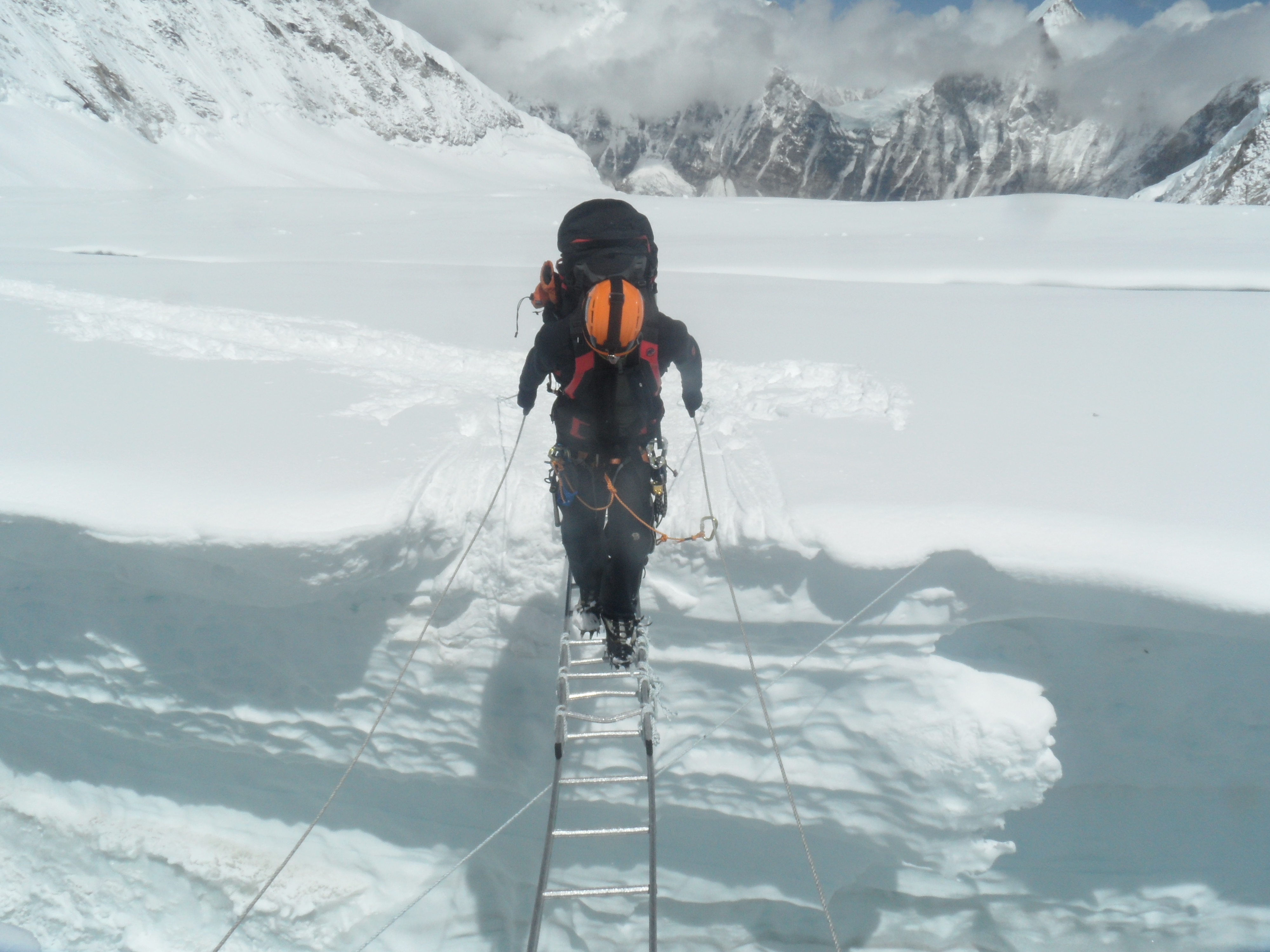
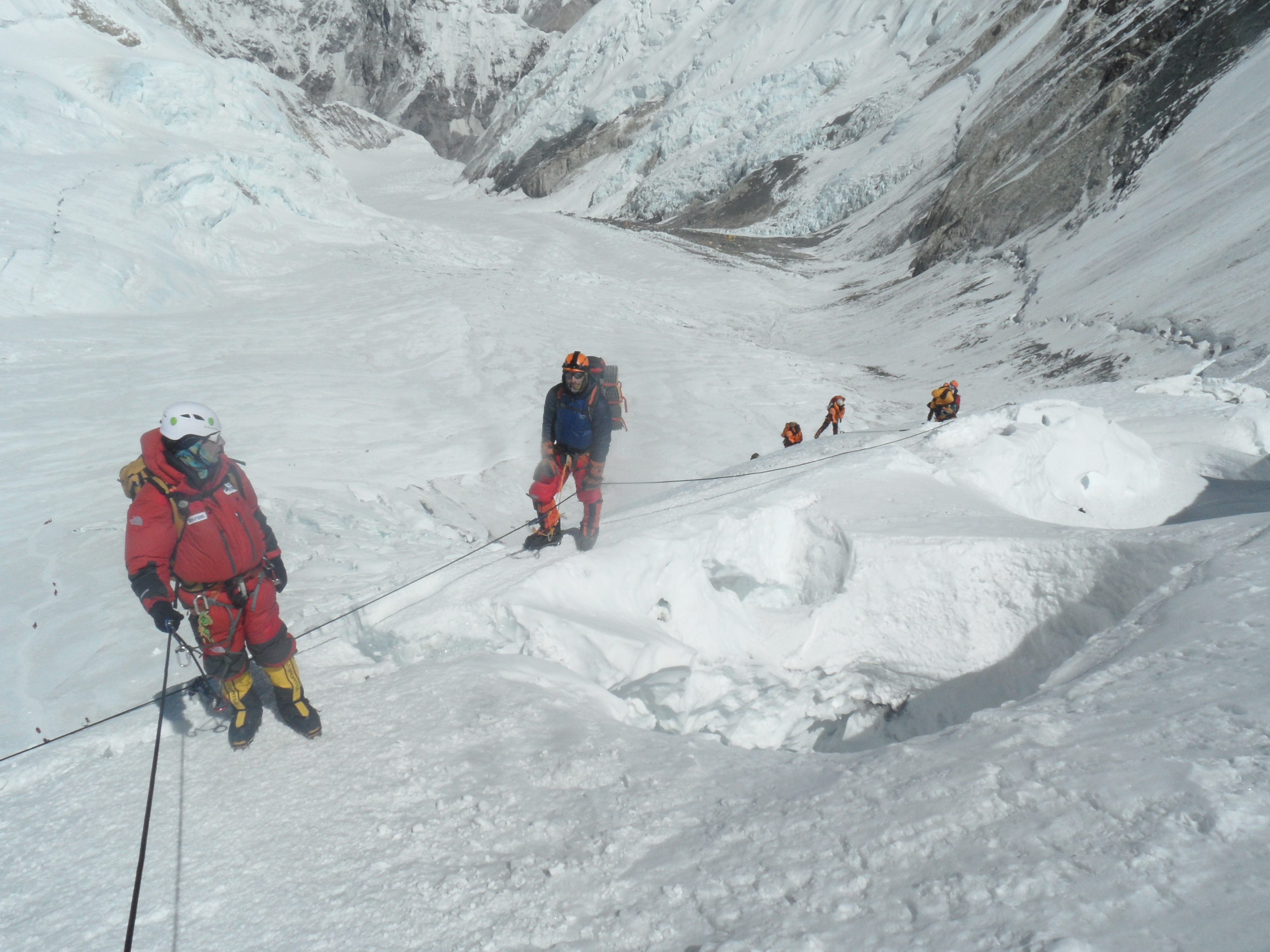
Tomaremos la ruta sur hacia la cumbre durante nuestra Expedición al Everest. Este viaje es adecuado para aquellos que tienen experiencias previas de pocos picos de 7000m o incluso más. La verdadera caminata aparentemente comienza desde el campamento base y llegar al campamento base te lleva alrededor de 7 días a pie. Pasaremos al campamento I (6.065 m) donde veremos el glaciar Khumbu. Desde el glaciar Khumbu, recorre unos 450 m en una pendiente gradual hasta el campamento II (6.500 m) y alrededor de 610 m hasta el campamento III (7.200 m). El campamento III está ubicado a la cabeza de Lhotse. A partir de este momento, necesitará botellas de oxígeno. Llegará al Campo IV (7,910 m) después de cruzar 8000 m de elevación. Este punto también se conoce como la Zona de la Muerte.
Lhotse significa “Pico Sur” en tibetano. Cuenta con dos picos subsidiarios, el Lhotse Medio (al este) de 8.414 m y el Lhotse Shar de 8.383 msnm.
Suscribirse Volver al inicio Consultas
FECHA DE SALIDA
Desde el 05 de abril al 30 de Mayo
Convinaciones: Island Peak, Mera Peack, Ama Dablam, Everest
PROGRAMA:
Day 1: Arrival in Kathmandu & transfer to the hotel (1,300m)Mendoza (1400m / 4.493ft)
Lo estaremos esperando en el aeropuerto para llevarlo al hotel. Usted va a disfrutar de las comodidades de uno de los mejores hoteles en la ciudad.
Day 2: Welcome brief, Gear check and Official formalities in Kathmandu (1,400m)Día Libre
Day 3: Fly to Lukla (2,800m) & trek to Phak Ding (overnight stay at Phak Ding 2,640m)
Day 4: Trek to Namche Bazaar (3,446m)
Day 05: Rest in Namche, Everest point of view/ Acclimatization.
Day 6: Trek to Khumjung (3790m) for your acclimatization and back to Namche for a night. This is done to ensure your acclimatization and forms a strong base for higher altitude.
Day 7: Trek to Tengboche Monastery (3,867m)
Day 8: Trek to Dingboche (4,410m) .
Day 9: Trek to Lobuche (4,900m)
Day 10: Rest day in Lobuche. (We will trek clean fatigue and gain a couple of hundred meters of altitude so that you can sleep better and acclimatize well)
Day 11: Trek to Everest base camp (5,380m)
Day 12- 53: Everest / Lhotse climbing Period.
Day 54: Cleaning up base camp (5,380m)
Day 55: Trek back to Pheriche (4,370m)
Day 56: Trek back to Namche (3,446m)
Day 57: Trek back to Lukla(2,800m)
Day 58: Back to Kathmandu & transfer to the hotel (1,300m)/Dinner
Day 59: Free day in Kathmandu
Day 60: Depart to the home country
FIN DE LOS SERVICIOS
El Itinerario es una guía la cual se intentará llevar a cabo con el máximo de exactitud, peo es susceptible a cambios relacionados a variables ajenas a la empresa, como condiciones climáticas, desperfectos mecánicos y retrasos de vuelos. Se le ruega flexibilidad ante imprevistos.
.
1- CONSENTIMIENTO DE RIESGO – LBE
3.1-CONDICIONES GENERALES -LBE-61
Equipamiento
Climbing Gear
- Helmet: Must be able to fit over your ski hat
- Alpine Ice Axe: General mountaineering tool (65-70cm)
- Crampons: 12 points
- Ascender: 1 right or left hand ascender
- A mountaineering harness, with adjustable leg loops
- Carabiners: 3 locking and 6 regular*
- Rappel device: ATC or figure 8*
Clothing
Foot wear:
- Mountaineering boots: suitable for above 8000m; Scarpa phantom 8000 or equivalent
- Hiking shoes for the trek to base camp.
- Booties: Optional, down is best.
- Bridgedale Summit socks or equivalent: 6 pairs
- Bridgedale Liner socks or equivalent: 3 pairs
Body Layers:
- 2 merino base layers: top and bottom
- 1 mid layer top: breathable
- Underwear
- Lightweight Nylon Pants: 1 pair
- Soft Shell jacket with hoody: To be worn over other layers
- Soft Shell Pants: Very breathable and water repellent
- Hard Shell Jacket with hood: A waterproof and breathable shell jacket
- Hard Shell Pants: Waterproof and breathable shell pants
- Insulated Down Jacket with hood: (fill power 800) or equivalent to Rab’s Electron Jacket. We primarily wear this when climbing below Camp 3
- Insulated synthetic Pants: Worn primarily when climbing below Camp 2
- Long jones equivalent to Rab’s Polartec or equivalent: 2 pairs
- Summit Down Suit
Headgear and Hand wear:
- Warm Hat: Synthetic or wool hat (ski hat)
- Sunhat: To shade your face / neck from the sun on a hot day
- Buff: To protect your neck / face from the sun
- Glacier glasses: Full protection with side covers or wrap around
- Ski goggles: To be worn on summit day in the event of high winds
- Lightweight synthetic liner gloves: For wearing on a hot day; 2 pairs
- Soft shell gloves: To wear for moderate cold / wind
- Shell glove with insulated liner: To wear for severe cold / strong wind
- Expedition Mitts
Personal Gear:
- Expedition Backpack: 65L pack should be large enough.
- Trekking Backpack: To carry on the trek to base camp. Simple and light.
- Sleeping Bag (for high camps): Rated to at least -40°F. Goose down or synthetic.
- Sleeping Bag (for base camp): rated to at least -20°F
- Compression stuff sacks: 3 large ones; for reducing volume of the sleeping bag, down parka, etc., in your pack
- High Quality sleeping pad (1 for base camp and 1 for high camps): Full length is preferred
- Closed cell foam pad: To be used in conjunction with the inflating pad for warmth and comfort when sleeping
- Trekking poles with snow baskets: Adjustable poles
- Cup: Plastic insulated cup for drinking
- Bowl: A plastic bowl for eating dinner or breakfast
- Spoon: Plastic spoon
- Head torch: 1 normal for base camp and 1 with remote battery systems for climbing at night. This will be used whilst climbing at night
- Sunscreen: SPF 50 or above
- Lip balm with sun block
- Water bottles: 2 wide mouth bottles with 1 litter capacity
- Water bottle parkas (2): fully insulated with zip opening
- Thermos: 1 litre (buy a good ones to keep your water warm for longer hours)
- Pee bottle: 1 litre minimum bottle for convenience at night in the tent
- Toiletry bag: Include toilet paper and hand sanitizer and small towel
- Hand warmers & toe warmers
- Penknife or multi tool (optional)
- Camera: bring extra batteries and memory cards.
- Personal solar charging system (optional but recommended)
- Travel Clothes: For days in country
- Duffel bags (2) with locks: To transport equipment
- Base Camp Items: Kindle, I pad, smart phone, etc
- Snack food: Please bring a few days of your favourite climbing snack food such as bars, gels, nuts, beef jerky, etc. A variety of salty and sweet is good
- Small personal first aid kit: Include athletic tape, Band-Aid’s, Ibuprofen, blister care***, personal medications, etc
- Medications and Prescriptions: Bring antibiotics (Azithromycin, etc.), and altitude medicine such as Diamox and dexamethasone
Dificultad: Muy DemandanteActividad 2 a 15 días y entre 8 y 16 horas de duración. Porteando una mochila de expedición de 65 o 95 litros con 22/28kgs. Tiene incorporado momentos de breves descansos. El terreno puede tener inclinación de entre un 5% y un 45% con resaltes de larga duración de entre 2 a 8 horas. Campamentos localizados tal vez sobre nieve o hielo, y derritiendo hielo para conseguir agua, disminuyendo esto el confort. Inicios de marcha con horarios muy tempranos. Es una actividad en la que usted regresara muy fatigado. Se necesita experiencia previa en actividades muy intensas, usted se moverá por momentos por acarreos de terreno suelto en nieve y roca, con botas, crampones y piqueta donde se necesita habilidad de movimientos exactos. Posibilidad de utilizar una cuerda para pasos delicados. Más / DifícilTrekking y escalada sobre terreno no marcado donde mayor mente no existe, con dificultades técnicas mantenidas, pendientes de 50% y más. Se sortearan obstáculos como escaladas en roca y glaciares con crampones y piqueta. Técnica de Rappel. Uso obligatorio de la cuerda para superar pasos de V grado y progresar en cordada. Con aristas y crestas aéreas con mayor grado de exposición y duración. Es necesario experiencia previa, pero no excluyente Más
| Exigencia física | Dificultad técnica |
|---|---|
| FácilActividad por el día y entre 2 y 6 horas de duración. Porteando una pequeña mochila de 25 o 35 litros con 5/7kgs. Tiene incorporado momentos de grandes descansos y contemplación del paisaje. El terreno puede tener inclinación de entre un 5% y un 20% con resaltes de corta duración. Es una actividad recreativa en la que usted no regresara fatigado. No se necesita experiencia previa. Más | Fácil –Trekking sobre un sendero mayormente marcado, sin ninguna dificultad técnica, solo secciones de pendiente no muy pronunciadas, no se usaran las manos para trepar. Se aprenderán conocimientos básicos de caminata respiración y uso de los bastones de trekking. Involucra exposición al clima, precaución al sol y el calor. No se usara ningún tipo de equipamiento técnico, tan solo bastones de trekking son recomendados. No es necesario experiencia previa. Más |
| Fácil +Actividad por el día y entre 6 y 12 horas de duración. Porteando una pequeña mochila de 25 o 35 litros con 5/7kgs. Tiene incorporado momentos de grandes descansos y contemplación del paisaje. El terreno puede tener inclinación de entre un 5% y un 20% con resaltes de corta duración. Es una actividad recreativa en la que usted regresara fatigado. No se necesita experiencia previa. Tener precaución con el agua llevar 3 litros por lo menos. Más | Poco difícilTrekking sobre un sendero mayormente marcado, sin ninguna dificultad técnica, solo secciones de moderadas siempre menores a 45%. Se aprenderán conocimientos básicos de caminata respiración y uso de los bastones de trekking. Involucra exposición al clima, precaución al sol y el calor. No se usara ningún tipo de equipamiento técnico, tan solo bastones de trekking son recomendados. Ocasional uso de la cuerda para superar pasos de II y III grado. No es necesario experiencia previa. Más |
| ModeradaActividad de 2 a 4 días y entre 4 y 6 horas de duración. Porteando una pequeña mochila de 25 o 35 litros con 10/15kgs. Tiene incorporado momentos de grandes descansos. El terreno puede tener inclinación de entre un 10% y un 25% con resaltes de mayor graduación. Es una actividad en la que usted no regresara con una fatiga moderada. No se necesita experiencia previa, usted se moverá por momentos por acarreos de terreno suelto en nieve y roca. Más | Algo difícilTrekking sobre un sendero eventualmente marcado o no, con alguna dificultad técnica, pendientes de 50% por más que se suban andando. Se sortearan obstáculos como resaltes de roca campos nevados y congelados con crampones y piqueta. Se puede utilizar bastones y raquetas de nieve si fuese necesario. Uso obligatorio de la cuerda para superar pasos de III y IV grado o aristas y crestas aéreas con un menor grado de exposición. No es necesario experiencia previa. Más |
| IntensaActividad de 2 a 6 días y entre 8 y 10 horas de duración. Porteando una mochila de expedición de 65 o 85 litros con 15/20kgs. Tiene incorporado momentos de breves descansos, para poder completar un itinerario. El terreno puede tener inclinación de entre un 10% y un 35% con interesantes resaltes, de entre 2 a 3 horas. Es una actividad en la que usted regresara fatigado. Se necesita algo experiencia previa en actividades intensas, usted se moverá por momentos por acarreos de terreno suelto en nieve y roca, donde se necesita habilidad de movimientos. Más | Algo difícilTrekking sobre un sendero eventualmente marcado o no, con alguna dificultad técnica, pendientes de 50% por más que se suban andando. Se sortearan obstáculos como resaltes de roca campos nevados y congelados con crampones y piqueta. Se puede utilizar bastones y raquetas de nieve si fuese necesario. Uso obligatorio de la cuerda para superar pasos de III y IV grado o aristas y crestas aéreas con un menor grado de exposición. No es necesario experiencia previa. Más |
| DemandanteActividad 2 a 8 días y entre 8 y 12 horas de duración. Porteando una mochila de expedición de 65 o 85 litros con 22/25kgs. Tiene incorporado momentos de breves descansos. El terreno puede tener inclinación de entre un 5% y un 45% con resaltes de larga duración de entre 2 a 5 horas. Campamentos localizados tal vez sobre nieve o hielo, y derritiendo hielo para conseguir agua, disminuyendo esto el confort. Es una actividad en la que usted regresara fatigado. Se necesita experiencia previa en actividades intensas, usted se moverá por momentos por acarreos de terreno suelto en nieve y roca, con botas, crampones y piqueta, donde se necesita habilidad de movimientos exactos. Posibilidad de utilizar una cuerda para pasos delicados. Más | DifícilTrekking y escalada sobre terreno no marcado donde mayor mente no existe, con dificultades técnicas mantenidas, pendientes de 50% y más. Se sortearan obstáculos como escaladas en roca y glaciares con crampones y piqueta. Técnica de Rappel. Uso obligatorio de la cuerda para superar pasos de V grado y progresar en cordada. Con aristas y crestas aéreas con mayor grado de exposición y duración. Es necesario experiencia previa, pero no excluyente Más |
| Muy demandanteActividad 2 a 15 días y entre 8 y 16 horas de duración. Porteando una mochila de expedición de 65 o 95 litros con 22/28kgs. Tiene incorporado momentos de breves descansos. El terreno puede tener inclinación de entre un 5% y un 45% con resaltes de larga duración de entre 2 a 8 horas. Campamentos localizados tal vez sobre nieve o hielo, y derritiendo hielo para conseguir agua, disminuyendo esto el confort. Inicios de marcha con horarios muy tempranos. Es una actividad en la que usted regresara muy fatigado. Se necesita experiencia previa en actividades muy intensas, usted se moverá por momentos por acarreos de terreno suelto en nieve y roca, con botas, crampones y piqueta donde se necesita habilidad de movimientos exactos. Posibilidad de utilizar una cuerda para pasos delicados. Más | Muy difícilTrekking y escalada sobre terreno no marcado, con dificultades técnicas complicada, pendientes de 60% y más. Se sortearan obstáculos como escaladas en roca y glaciares con crampones y piqueta. Técnica de Rappel. Uso obligatorio de la cuerda para superar pasos de VI y VI+ grado y progresar en cordada. Con aristas y crestas aéreas con alto grado de exposición y duración. Con imposibilidad de poner seguros cercanos. Es necesario experiencia previa Más |
.


You May Also Like


